Ugali é a pedra angular da culinária da África Oriental, particularmente no Quénia e na Tanzânia. Esta simples mas essencial papa de farinha de milho serve de base para inúmeras refeições em toda a região. Conhecida por diferentes nomes em toda a África Subsaariana – nsima no Maláui e na Zâmbia, pap na África do Sul e sadza no Zimbabué – o ugali representa a unidade cultural das tradições alimentares africanas. O que torna o ugali verdadeiramente especial é a sua versatilidade e natureza comunitária. Tradicionalmente comido com as mãos, os comensais formam pequenas bolas da papa espessa e usam-nas para colher os guisados, vegetais ou leite azedo que a acompanham. O prato exige habilidade para alcançar a consistência perfeita – espessa o suficiente para manter a sua forma, mas suave e sem grumos.
Papa de Farinha de Milho (Ugali)
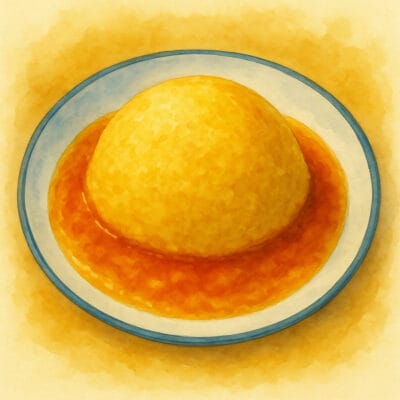
Uma papa de farinha de milho tradicional queniana que serve como base para as refeições da África Oriental. Esta papa espessa e rica em amido é comida com as mãos para acompanhar guisados e vegetais.
Ingredients
- 960 ml de água (4 cups)
- 10 g de sal (2 teaspoons)
- 240 g de farinha de milho branca, finamente moída (2 cups)
Directions
- Leve a água e o sal a ferver numa panela de fundo pesado.
- Adicione a farinha de milho lentamente, deixando-a cair entre os dedos da sua mão, e mexa constantemente.
- Reduza o lume para médio-baixo e continue a mexer regularmente, esmagando quaisquer grumos com uma colher, até que a papa se solte das laterais da panela e se torne muito espessa, cerca de 10 minutos.
- Retire do lume e deixe arrefecer um pouco.
- Coloque o ugali numa tigela grande. Humedeça as mãos com água, forme uma bola e sirva.
Nutrition
Per Serving: 350 calories; 2 g fat; 79 g carbohydrates; 7 g protein; 0 mg cholesterol; 13 mg sodium.
Ugali is the cornerstone of East African cuisine, particularly in Kenya and Tanzania. This simple yet essential cornmeal porridge serves as the foundation for countless meals across the region. Known by different names throughout sub-Saharan Africa – nsima in Malawi and Zambia, pap in South Africa, and sadza in Zimbabwe – ugali represents the cultural unity of African food traditions. What makes ugali truly special is its versatility and communal nature. Traditionally eaten with the hands, diners form small balls of the thick porridge and use them to scoop up accompanying stews, vegetables, or soured milk. The dish requires skill to achieve the perfect consistency – thick enough to hold its shape yet smooth without lumps.
Cornmeal Porridge (Ugali)
Traditional Kenyan cornmeal porridge that serves as the foundation for East African meals. This starchy, thick porridge is eaten with hands and used to scoop up stews and vegetables.
Ingredients
- 960 ml water (4 cups)
- 10 g salt (2 teaspoons)
- 240 g white cornmeal, finely ground (2 cups)
Directions
- Bring the water and salt to a boil in a heavy-bottomed saucepan.
- Stir in the cornmeal slowly, letting it fall through the fingers of your hand.
- Reduce heat to medium-low and continue stirring regularly, smashing any lumps with a spoon, until the mush pulls away from the sides of the pot and becomes very thick, about 10 minutes.
- Remove from heat and allow to cool somewhat.
- Place the ugali into a large serving bowl. Wet your hands with water, form into a ball, and serve.
Nutrition
Per Serving: 350 calories; 2 g fat; 79 g carbohydrates; 7 g protein; 0 mg cholesterol; 13 mg sodium.