Fungee e Pepperpot é o prato nacional de Antígua e Barbuda, representando séculos de evolução culinária e resiliência cultural caribenha. Esta substancial combinação tem as suas origens nas tradições da África Ocidental trazidas por pessoas escravizadas durante o comércio transatlântico de escravos, que depois evoluíram e se adaptaram para incorporar ingredientes e sabores locais do Caribe. O prato incorpora a rica história e o significado cultural das ilhas, servindo como um símbolo da herança do povo de Antígua e Barbuda e da sua capacidade de criar uma culinária extraordinária a partir de ingredientes humildes. O que torna o Fungee e Pepperpot verdadeiramente especial é a harmoniosa união do Fungee, uma massa suave à base de farinha de milho, com o robusto guisado de várias carnes do Pepperpot. O Fungee fornece uma base reconfortante e rica em amido que complementa perfeitamente os sabores complexos do Pepperpot, que combina várias carnes e vegetais num caldo rico e aromático temperado com especiarias tradicionais do Caribe. Este prato amado é frequentemente servido em festivais culturais e eventos, representando não apenas sustento, mas uma ligação às raízes ancestrais das ilhas e às tradições da comunidade.
Farinha de Milho e Pepper Pot (Fungee and Pepperpot)
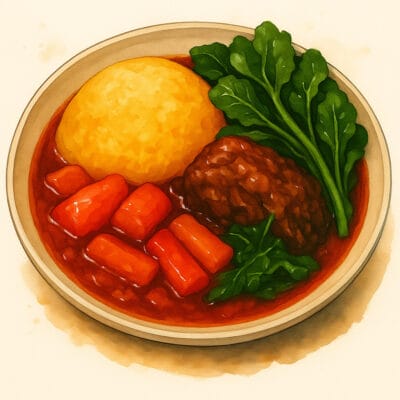
O prato nacional de Antígua e Barbuda que combina o suave Fungee de farinha de milho com o substancial guisado de várias carnes do Pepperpot. Um símbolo da herança e resiliência caribenha.
Ingredients
- 240 g de farinha de milho (2 cups)
- 720 ml de água (3 cups)
- Sal a gosto
- 450 g de carne de vaca para guisado (1 lb)
- 450 g de carne de porco salgada (1 lb)
- 250 g de mandioca picada (2 cups)
- 300 g de inhame picado (2 cups)
- 120 g de cenoura picada (1 cup)
- 150 g de batata picada (1 cup)
- 120 g de cebola picada (1 cup)
- 100 g de aipo picado (1 cup)
- 150 g de pimentão picado (1 cup)
- 5 g de folhas de tomilho fresco (1 tbsp)
- 10 g de alho picado (2 cloves)
- 2 g de pimenta da Jamaica moída (1 tsp)
- 2 folhas de louro
- 30 ml de óleo vegetal (2 tbsp)
- Sal e pimenta a gosto
Directions
- Para o Fungee: Combine a farinha de milho, a água e o sal numa panela grande. Misture bem e leve a ferver em lume médio, mexendo constantemente.
- Reduza o lume para baixo e continue a mexer até a mistura ficar espessa e suave, cerca de 20-30 minutos. Retire do lume e deixe arrefecer.
- Para o Pepperpot: Tempere a carne de vaca com sal e pimenta. Aqueça o óleo vegetal numa panela grande em lume médio e doure a carne de vaca de todos os lados. Retire e reserve.
- Na mesma panela, adicione a carne de porco salgada e cozinhe até dourar. Retire e reserve.
- Adicione a cebola, o aipo e o pimentão à panela e cozinhe até amolecerem. Adicione o alho, o tomilho e a pimenta da Jamaica e cozinhe por mais um minuto.
- Devolva a carne de vaca e de porco à panela, juntamente com a mandioca picada, o inhame, a cenoura e a batata. Adicione água suficiente para cobrir os ingredientes e leve a ferver.
- Reduza o lume para baixo e cozinhe em lume brando por cerca de 1-2 horas, ou até a carne ficar macia e os vegetais cozidos.
- Sirva o Pepperpot quente com o Fungee ao lado.
Nutrition
Por Porção: 550 calorias; 25 g de gordura; 50 g de carboidratos; 30 g de proteína; 90 mg de colesterol; 950 mg de sódio.
Fungee and Pepperpot stands proudly as the national dish of Antigua and Barbuda, representing centuries of Caribbean culinary evolution and cultural resilience. This hearty combination traces its origins to West African traditions brought by enslaved people during the transatlantic slave trade, which then evolved and adapted to incorporate local Caribbean ingredients and flavors. The dish embodies the rich history and cultural significance of the islands, serving as a symbol of the Antiguan and Barbudan people’s heritage and their ability to create extraordinary cuisine from humble ingredients. What makes Fungee and Pepperpot truly special is the harmonious marriage of the smooth, cornmeal-based fungee with the robust, multi-meat pepperpot stew. The fungee provides a comforting, starchy base that perfectly complements the complex flavors of the pepperpot, which combines various meats and vegetables in a rich, aromatic broth seasoned with traditional Caribbean spices. This beloved dish is often served at cultural festivals and events, representing not just sustenance but a connection to the islands’ ancestral roots and community traditions.
Cornmeal and Pepper Pot (Fungee and Pepperpot)
Antigua and Barbuda's national dish combining smooth cornmeal fungee with hearty multi-meat pepperpot stew. A symbol of Caribbean heritage and resilience.
Ingredients
- 240 g cornmeal (2 cups)
- 720 ml water (3 cups)
- Salt to taste
- 450 g stew beef (1 lb)
- 450 g salted pork (1 lb)
- 250 g diced cassava (2 cups)
- 300 g diced yam (2 cups)
- 120 g diced carrot (1 cup)
- 150 g diced potato (1 cup)
- 120 g diced onion (1 cup)
- 100 g diced celery (1 cup)
- 150 g diced bell pepper (1 cup)
- 5 g fresh thyme leaves (1 tablespoon)
- 10 g minced garlic (2 cloves)
- 2 g ground allspice (1 teaspoon)
- 2 bay leaves
- 30 ml vegetable oil (2 tablespoons)
- Salt and pepper to taste
Directions
- For the Fungee: Combine cornmeal, water, and salt in a large pot. Mix well and bring to a boil over medium heat, stirring constantly.
- Reduce heat to low and continue stirring until the mixture becomes thick and smooth, about 20-30 minutes. Remove from heat and let cool.
- For the Pepperpot: Season the stew beef with salt and pepper. Heat vegetable oil in a large pot over medium heat and brown the beef on all sides. Remove and set aside.
- In the same pot, add the salted pork and cook until browned. Remove and set aside.
- Add onion, celery, and bell pepper to the pot and cook until softened. Add garlic, thyme, and allspice, and cook for another minute.
- Return the beef and pork to the pot, along with diced cassava, yam, carrot, and potato. Add enough water to cover the ingredients, then bring to a boil.
- Reduce heat to low and simmer for about 1-2 hours, or until the meat is tender and vegetables are cooked through.
- Serve the Pepperpot hot with the Fungee on the side.
Cooking Tip: The quality of the meat and the cooking time are crucial for a good Pepperpot. Ensure the stew simmers slowly to allow the flavors to meld. The Fungee must be stirred constantly to prevent lumps from forming.
Cultural Significance: This dish is served at special occasions and represents a symbol of community and heritage. The original African version used local ingredients, and Fungee evolved from cornmeal dishes like fufu.
Variation: While beef and pork are common, some recipes also include goat or mutton for a richer flavor.
Nutrition
Per Serving: 550 calories; 25 g fat; 50 g carbohydrates; 30 g protein; 90 mg cholesterol; 950 mg sodium.