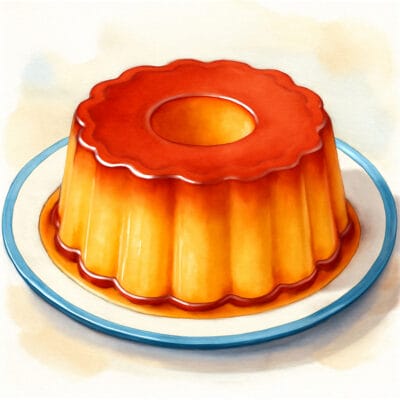
O Lendário Pudim Abade de Priscos: Uma Joia da Confeitaria Portuguesa
O Pudim Abade de Priscos é o pudim mais famoso e luxuoso de Portugal, criado no século XIX por Manuel Rabelo, o talentoso abade de Priscos, localizado a 45 km a nordeste do Porto. Esta sobremesa decadente tornou-se tão famosa que foi alegadamente servida em suntuosos banquetes para a família real, nobres e aristocratas. A fama do pudim provém do seu ingrediente único – banha de porco – que pode surpreender os paladares modernos, mas que cria uma textura incrivelmente rica e sedosa, impossível de alcançar com outras gorduras. A receita teve origem no Convento dos Congregados em Braga, seguindo a tradição monástica portuguesa de criar doces elaborados usando abundantes gemas de ovo. A preparação envolve a criação de uma base de caramelo, depois um creme complexo feito com uma calda de açúcar cozida até ao perfeito “ponto de fio”, combinada com gemas de ovo e vinho do Porto. O resultado é um pudim intensamente rico, de cor âmbar, com uma cobertura de caramelo brilhante que representa o auge da arte da confeitaria portuguesa.
Pudim Abade de Priscos
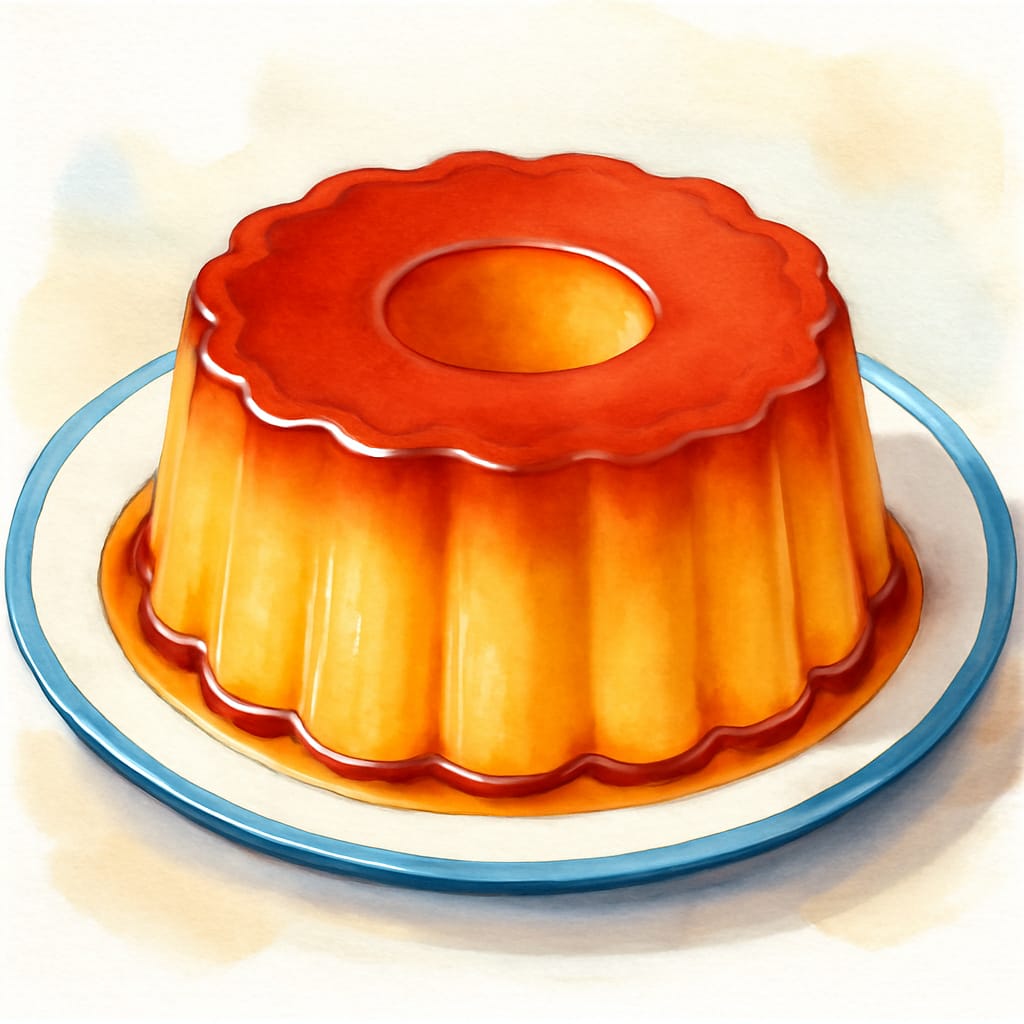
O pudim mais famoso de Portugal, criado por um abade do século XIX. Apresenta um creme rico feito com banha de porco, gemas de ovo e vinho do Porto, coberto com caramelo.
Ingredients
- 400 g de açúcar (para o creme)
- 200 g de açúcar (para o caramelo)
- 50 g de banha fresca de porco
- 15 gemas de ovo
- 50 ml de água
- 1 copo pequeno de vinho do Porto (cerca de 60 ml)
- 1 casca de limão
- 1 pau de canela
Directions
- Pré-aqueça o forno a 250 °C. Para o caramelo, derreta 200 g de açúcar numa panela em lume médio até ficar dourado. Distribua rapidamente o caramelo pelas formas de pudim.
- Numa panela, combine a água, o açúcar restante, a casca de limão, o pau de canela e a banha cortada em pedaços finos.
- Leve a ferver em lume alto até atingir o “ponto de fio” (cerca de 103 °C). Para testar, mergulhe uma colher na calda e deixe um pouco arrefecer; se, ao separar o polegar e o indicador, se formar um fio fino de açúcar, a calda está pronta.
- Retire a calda do lume e deixe-a arrefecer.
- Numa tigela, misture as gemas com o vinho do Porto. Adicione esta mistura à calda já arrefecida, mexendo delicadamente. Coe a mistura para remover impurezas.
- Despeje a mistura nas formas já caramelizadas e cubra-as com as respetivas tampas ou papel de alumínio.
- Coloque as formas num tabuleiro com água (em banho-maria) e leve ao forno. Cozinhe por cerca de 35 minutos.
- Retire do forno e deixe arrefecer completamente antes de desenformar.
- Para desenformar, passe uma faca à volta das bordas do pudim, coloque um prato sobre a forma e vire-a rapidamente.
- A banha de porco é essencial para a textura única e sedosa do pudim. Use banha fresca, de boa qualidade, obtida num talho, e evite a gordura de toucinho, pois o sabor defumado pode alterar o perfil de sabor do pudim.
- O “ponto de fio” é crucial para a textura. Se a calda estiver demasiado quente, cozinhará os ovos. Se estiver muito fria, o pudim não ficará com a consistência ideal.
- A utilização de vinho do Porto é uma das características que dão a esta sobremesa o seu sabor profundo e distintivo, elevando o seu perfil de sabor.
- A receita original não utiliza banho-maria, mas esta técnica ajuda a garantir um cozimento mais uniforme e evita que o pudim fique demasiado seco.
Nutrition
Por Pudim: 280 calorias; 10 g de gordura; 45 g de hidratos de carbono; 5 g de proteína; 120 mg de colesterol; 15 mg de sódio.
—
The Legendary Pudim Abade de Priscos: A Jewel of Portuguese Confectionery
Pudim Abade de Priscos is Portugal’s most famous and luxurious pudding, created in the 19th century by Manuel Rabelo, the talented abbot of Priscos, located 45 km northeast of Porto. This decadent dessert became so famous it was allegedly served at sumptuous banquets for the royal family, noble families, and aristocrats. The pudding’s fame comes from its unique ingredient—lard—which may surprise modern palates but creates an incredibly rich and silky texture that is impossible to achieve with other fats. The recipe originated in the Convent of the Congregados in Braga, following the Portuguese monastic tradition of creating elaborate sweets using abundant egg yolks. The preparation involves creating a caramel base, then a complex custard made from a sugar syrup cooked to the perfect “thread stage,” combined with egg yolks and Port wine. The result is an intensely rich, amber-colored pudding with a glossy caramel topping that represents the pinnacle of Portuguese confectionery art.
Pudim Abade de Priscos (Abbot of Priscos Pudding)
Portugal's most famous pudding, created by a 19th-century abbot. Features a rich custard made with lard, egg yolks, and Port wine, topped with caramel.
Ingredients
- 400 g (14 oz) sugar (for custard)
- 200 g (7 oz) sugar (for caramel)
- 50 g (1.8 oz) fresh pork lard
- 15 egg yolks
- 50 ml (3.4 tbsp) water
- 1 small glass Port wine (about 60 ml / 4 tbsp)
- 1 lemon peel
- 1 cinnamon stick
Directions
- Preheat the oven to 250 °C (482 °F). For the caramel, melt 200 g of sugar in a saucepan over medium heat until it becomes golden. Quickly spread the caramel in the pudding molds.
- In a saucepan, combine the water, remaining sugar, lemon peel, cinnamon stick, and the lard cut into thin pieces.
- Bring to a boil over high heat until it reaches the “thread stage” (about 103 °C / 217 °F). To test, dip a spoon in the syrup and let it cool slightly; if, when you separate your thumb and index finger, a thin sugar thread forms, the syrup is ready.
- Remove the syrup from the heat and let it cool.
- In a bowl, whisk the egg yolks with the Port wine. Add this mixture to the cooled syrup, stirring gently. Strain the mixture to remove any impurities.
- Pour the mixture into the caramel-lined molds and cover them with their lids or aluminum foil.
- Place the molds in a baking dish with water (in a water bath) and put it in the oven. Cook for about 35 minutes.
- Remove from the oven and allow to cool completely before unmolding.
- To unmold, run a knife around the edges of the pudding, place a plate over the mold, and quickly flip it over.
- Lard is essential for the pudding’s unique, silky texture. Use fresh, high-quality lard from a butcher and avoid bacon fat, as its smoky flavor can alter the pudding’s taste profile.
- The “thread stage” is crucial for the texture. If the syrup is too hot, it will cook the eggs. If it’s too cool, the pudding won’t have the ideal consistency.
- The use of Port wine is one of the features that gives this dessert its deep, distinctive flavor, elevating its taste profile.
- The original recipe doesn’t use a water bath, but this technique helps ensure more even cooking and prevents the pudding from becoming too dry.
Nutrition
Per Pudding: 280 calories; 10 g fat; 45 g carbohydrates; 5 g protein; 120 mg cholesterol; 15 mg sodium.