O Ibiharage é o prato nacional do Burundi, uma celebração de comunidade e herança que transcende fronteiras políticas e é também muito apreciado na vizinha Ruanda. Este nutritivo prato de feijão frito representa mais do que apenas sustento; é um meio de união e preservação cultural numa nação onde as reuniões familiares são essenciais. O prato destaca as bênçãos agrícolas da África Central, usando feijão cultivado localmente e especiarias aromáticas. O que torna o Ibiharage especial é o seu papel em unir as comunidades e a sua representação do espírito resiliente do povo do Burundi.
Feijão Frito (Ibiharage)
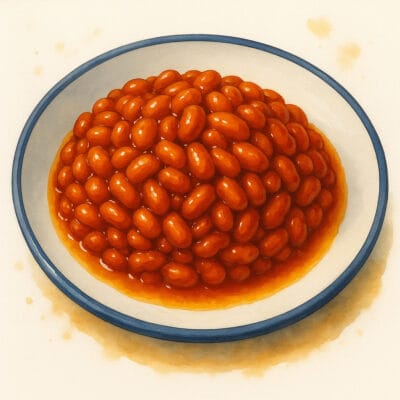
O prato nacional do Burundi, com feijão frito cozinhado com cebola, alho e especiarias, representando a união comunitária e a herança cultural.
Ingredients
- 400 g de feijão vermelho (2 cups)
- 200-300 g de cebola grande, picada (2 large onions)
- 20 g de alho picado (4 garlic cloves)
- 60 ml de óleo de palma ou óleo vegetal (¼ cup)
- 100 g de pimentão vermelho, picado (1 red pepper)
- Sal a gosto
- Água para ferver
Directions
- Ferva o feijão vermelho até ficar macio, depois escorra e reserve.
- Aqueça o óleo de palma ou óleo vegetal numa panela grande em lume médio.
- Salteie a cebola e o alho até ficarem macios e perfumados.
- Adicione o feijão escorrido e frite até ficar bem revestido com o óleo e os temperos.
- Adicione o pimentão vermelho e sal a gosto. Sirva quente.
Dica de Cozinha: Para reduzir o tempo de cozedura, pode deixar o feijão de molho em água durante a noite antes de o ferver.
Variação: Embora esta receita seja básica, pode adicionar outros vegetais, como cenouras picadas, pimento verde ou batatas em cubos, para uma refeição mais substancial.
Servir: O Ibiharage é tradicionalmente servido com ugali (uma papa de farinha de milho), arroz ou mandioca frita para uma refeição completa.
Nutrition
Por Porção: 250 calorias; 8 g de gordura; 35 g de carboidratos; 10 g de proteína; 0 mg de colesterol; 300 mg de sódio.
Ibiharage is the national dish of Burundi, a celebration of community and heritage that transcends political boundaries and is also beloved in neighboring Rwanda. This nutritious dish of fried beans represents more than just sustenance; it’s a medium for unity and cultural preservation in a nation where family gatherings are essential. The dish highlights the agricultural blessings of Central Africa, using locally grown beans and aromatic spices. What makes Ibiharage special is its role in bringing communities together and its representation of the resilient spirit of the Burundian people.
Fried Beans (Ibiharage)
The national dish of Burundi featuring fried beans cooked with onions, garlic, and spices, representing community unity and cultural heritage.
Ingredients
- 400 g kidney beans (2 cups)
- 200-300 g large onions, chopped (2 large onions)
- 20 g minced garlic (4 garlic cloves)
- 60 ml palm oil or vegetable oil (¼ cup)
- 100 g red pepper, chopped (1 red pepper)
- Salt to taste
- Water for boiling
Directions
- Boil kidney beans until soft, then drain and set aside.
- Heat palm oil or vegetable oil in a large pan over medium heat.
- Sauté onions and garlic until soft and fragrant.
- Add the drained beans and fry until well-coated in the oil and seasonings.
- Add the red pepper and salt to taste. Serve hot.
Cooking Tip: To reduce the cooking time, you can soak the beans in water overnight before boiling them.
Variation: While this is a basic recipe, you can add other vegetables, like chopped carrots, green bell peppers, or cubed potatoes, for a more substantial meal.
Serving: Ibiharage is traditionally served with ugali (a cornmeal porridge), rice, or fried cassava for a complete meal.
Nutrition
Per Serving: 250 calories; 8 g fat; 35 g carbohydrates; 10 g protein; 0 mg cholesterol; 300 mg sodium.